Kitchen or pantry trails
Activity around food, counters, cabinets, sinks, dishwashers, and baseboards can point to entry routes.

Ant and carpenter ant control
Help for kitchen trails, recurring ants, carpenter ant concerns, moisture areas, wood activity, and exterior entry points across Ottawa Valley.
Short answer
Regular nuisance ants and carpenter ants can require different next steps. Photos, trail locations, moisture areas, and any sawdust-like material help guide the first review.
Signs
Patterns are more useful than one sighting. Share where the activity repeats and what conditions are nearby.
Activity around food, counters, cabinets, sinks, dishwashers, and baseboards can point to entry routes.
Windows, bathrooms, basements, decks, trim, and damp wood can be relevant for carpenter ant concerns.
Small piles near wood, wall gaps, windows, or framing should be photographed and reviewed.
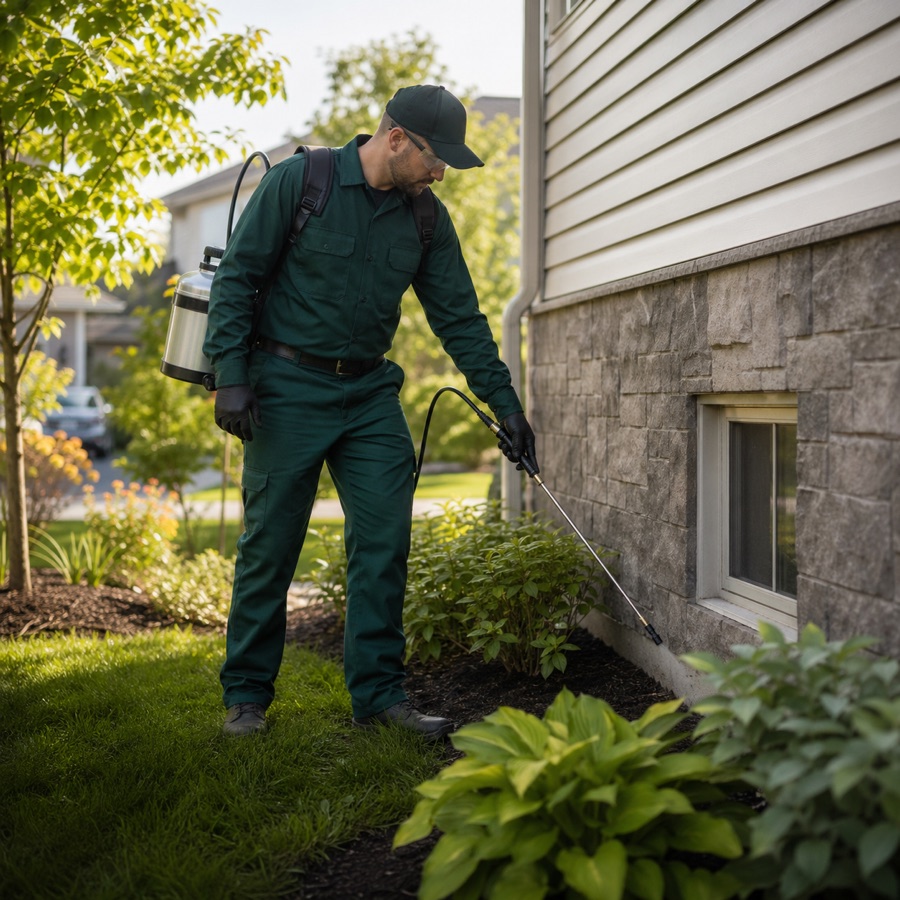
Foundation edges, doors, windows, utility gaps, siding, and landscaping can all contribute to activity.
Treatment path
The recommendation depends on the ant type, source, entry routes, moisture conditions, and whether activity is interior, exterior, or both.
Photos and location details help separate nuisance ant activity from carpenter ant concerns.
Trails, entry points, nesting areas, and moisture conditions guide treatment and prevention advice.
Interior and exterior recommendations are based on the property and pest activity.
Preparation
Clear details make ant treatment more focused.
Questions
Yes. Carpenter ant concerns can involve wood and moisture areas, so identification and activity patterns matter before treatment.
Random sprays can scatter activity or make the source harder to understand. Document the trail and request guidance before treatment.
Yes. Clear close photos, plus wider photos of the trail and surrounding area, can help with the first review.
Warranty depends on the job, ant type, property conditions, and treatment plan. Details are confirmed before service begins.
Need help?