Scratching or movement sounds
Walls, ceilings, basements, attics, garages, and kitchens can all reveal activity through sound.

Mouse and rat control
Help for scratching sounds, droppings, chewing damage, odours, damaged food, and suspected entry points in homes, rentals, and buildings across Ottawa Valley.
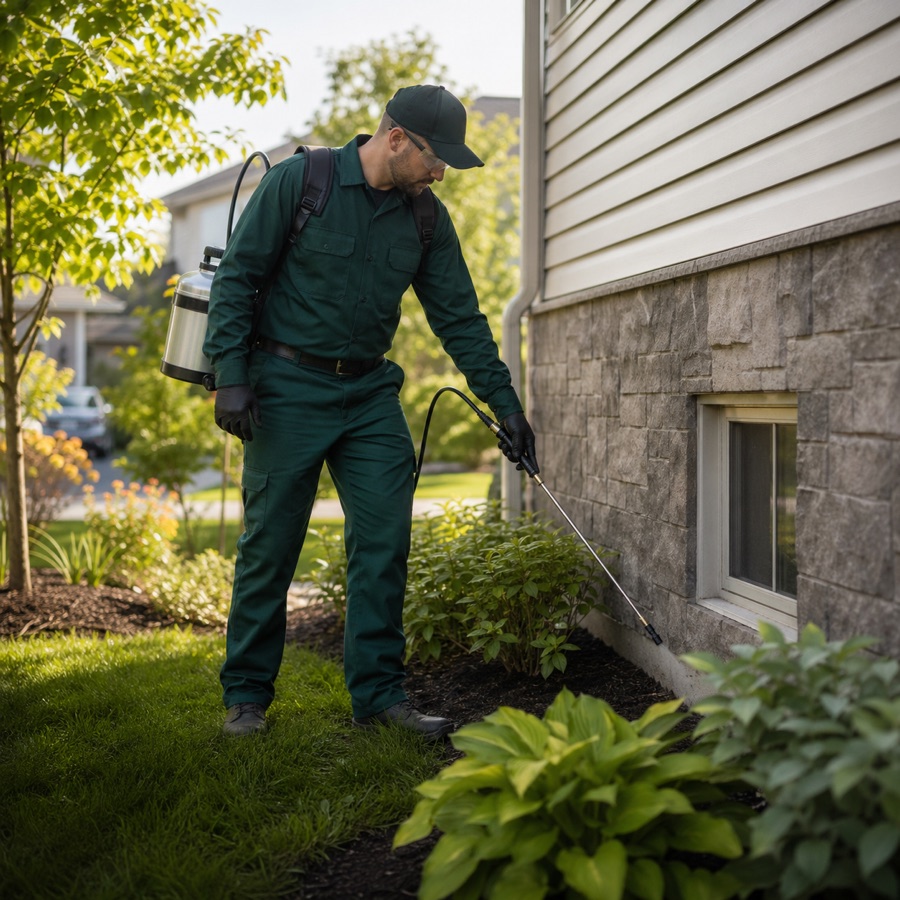
Short answer
Note where the evidence appears, avoid disturbing droppings or nesting material, and request help before the activity spreads. Rodent control should address both current activity and likely access points.
Signs
Rodent problems are often noticed through evidence before a mouse or rat is seen directly. The location of the signs helps guide the next step.
Walls, ceilings, basements, attics, garages, and kitchens can all reveal activity through sound.
Evidence near cabinets, appliances, storage, utility rooms, and food areas should be documented.
Gnaw marks, damaged packaging, nesting material, odours, and disturbed insulation can point to activity.
Small gaps around utilities, vents, doors, foundations, siding, and garages can be part of the plan.
Treatment path
The best plan depends on the evidence, the property type, activity level, and whether entry points are likely contributing to the problem.
Share photos, noises, droppings, damage, suspected entry points, and where the activity is happening.
The control plan is based on the property, severity, access, and the areas where signs are active.
Entry-point and prevention recommendations are explained so the problem is not treated as a one-time mystery.
Preparation
Good information helps separate isolated activity from a broader access issue.
After service
Monitoring and prevention matter after the first visit. Arthropoda explains what to watch for, when to follow up, and which entry or sanitation recommendations are most relevant to the property.
Homes, rentals, and buildings
Rodent work often benefits from clear notes about evidence, access, prevention, and repeat sightings across connected spaces.
Questions
The signs, entry points, and control plan can differ. Photos of droppings, damage, runways, or sightings help Arthropoda decide what to review first.
Not always. Sealing suspected entry points before reviewing activity can make the situation harder to understand. Ask for guidance before closing active areas.
Yes. Photos of droppings, damage, holes, garage gaps, foundation gaps, or utility openings can help the first review.
Warranty depends on the job, property conditions, activity, access, and prevention work. Details are confirmed before treatment begins.
Need help now?